Sales hotline
Sales hotline

L-Threonine is an essential amino acid widely used in animal nutrition, food additives, and pharmaceutical applications. Since animals cannot synthesize threonine internally, it must be supplied through diet or feed additives.
Produced mainly through microbial fermentation, L-Threonine plays an important role in improving protein utilization, supporting animal growth, and enhancing feed efficiency. It is commonly used in feed formulations for poultry, swine, cattle, and aquaculture.Our L-Threonine is manufactured using advanced fermentation technology and strict quality control to ensure high purity, stable performance, and reliable supply for international markets.
| Item | Details |
| Product Name | L-Threonine |
| CAS Number | 72-19-5 |
| Molecular Formula | C4H9NO3 |
| Molecular Weight | 119.12 |
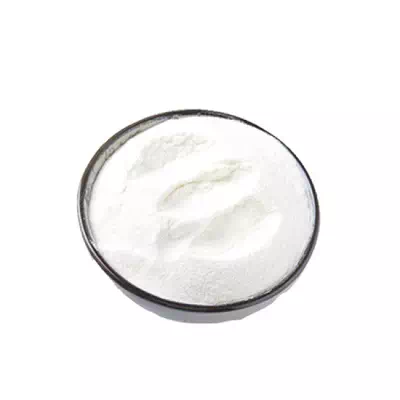
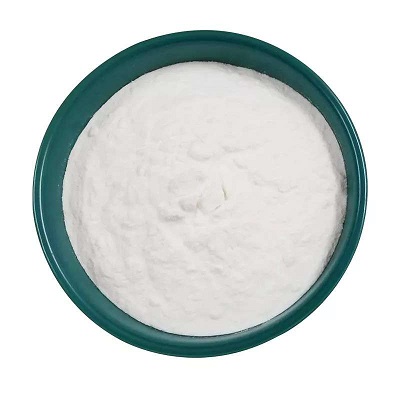
| Appearance | White crystalline powder |
| Grade | Feed Grade / Food Grade |
| Production Method | Fermentation |
| Solubility | Soluble in water |
| Parameter | Specification |
| Assay | ≥ 98.5% |
| Loss on Drying | ≤ 1.0% |
| Residue on Ignition | ≤ 0.5% |
| pH Value | 5.0 – 6.5 |
| Heavy Metals | ≤ 10 ppm |
(Custom specifications are available depending on application requirements.)
High purity amino acid produced by fermentation
Improves amino acid balance in feed formulations
Enhances protein utilization in animal diets
Supports healthy growth and feed conversion efficiency
Stable quality suitable for large-scale feed production
L-Threonine is widely used in animal feed and nutrition to balance amino acid composition and improve feed efficiency.
In poultry feed, it helps support muscle development and improves overall growth performance.
In swine feed, threonine plays an important role in maintaining intestinal health and optimizing protein metabolism.
In aquaculture feed, it is used to improve amino acid balance and enhance the nutritional value of feed formulations.
Besides animal nutrition, L-Threonine can also be used in the food industry as a nutritional supplement and in pharmaceutical applications as an amino acid ingredient.
L-Threonine should be stored in a cool, dry, and well-ventilated place. Containers should be kept tightly sealed to prevent moisture absorption.
Avoid direct sunlight, excessive heat, and humid conditions during storage and transportation.
Under proper storage conditions, the typical shelf life is 24 months.
What is L-Threonine mainly used for?
It is mainly used as an essential amino acid supplement in animal feed to improve protein utilization and support healthy animal growth.
Is L-Threonine produced by fermentation?
Yes, most commercial L-Threonine is produced through microbial fermentation processes.
Which animals benefit from L-Threonine supplementation?
It is commonly used in feed formulations for poultry, swine, cattle, and aquaculture species.
Do you provide samples for testing?
Yes, small samples can be provided for laboratory testing before bulk purchase.
Sales hotline:
 Scan and consult wechat customer service