Sales hotline
Sales hotline
Home >> Products >> Pharmaceutical API
CAS number:13220-33-2
molecular formula:C5H11NO
molecular weight:101.15
EINECS number:236-189-3
N-Methyl-pyrrolidin-3-ol;1-Methyl-3-hydroxypyrrolidine;NSC 89279;N-Methyl-pyrrolidinyl alcohol;1-Methyl-3-pyrrolidinol,97%;1-Methyl-3-pyrrolidi;3-Hydroxy-1-methylpyrroli...;N-Methyl-3-hydroxy-
Biochemical reagents; general reagents; pyrrole; heterocyclic building blocks; pyrrolidones; chemical raw materials; biochemical; biological;
Heterocyclic Compounds;Heterocycles;Building Blocks;Heterocyclic Building Blocks;Pyrrolidines
| Boiling point | 50-52 °C1 mm Hg(lit.) |
| Density | 0.921 g/mL at 25 °C(lit.) |
| Refractive index | n20/D 1.464(lit.) |
| Flash point | 159 °F |
| Storage conditions | 2-8°C |
| Solubility | Chloroform (Slightly), Methanol (Slightly) |
| Shape | Oil |
| Acidity coefficient(pKa) | 14.95±0.20(Predicted) |
| Color | Colourless |
| CAS database | 13220-33-2(CAS DataBase Reference) |
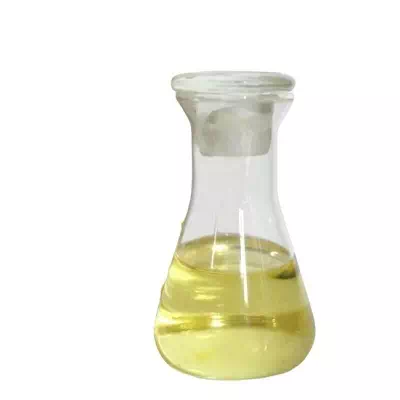
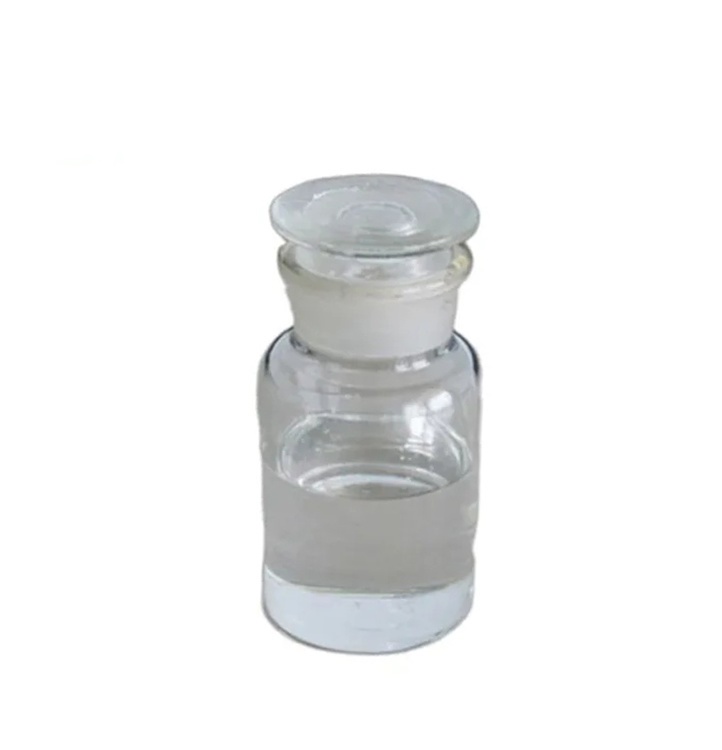
Colorless transparent liquid. The boiling point is 77°C (2.13kPa), 50-52°C (0.133kPa), the relative density is 0.921 (20/4°C), and the refractive index is 1.4660. The flash point is 70°C. Soluble in water, soluble in alcohol, ether and benzene.
● For pharmaceutical intermediates.
● Pharmaceutical Intermediates
● From 1,2,4-butanetriol by chlorination and ring closure. 1. Chlorination Add butanetriol and glacial acetic acid into the reaction pot, stir and heat to about 100°C, pass in dry hydrogen chloride gas, and react at 90-100°C for 30 hours. When a large amount of hydrogen chloride begins to appear in the tail gas, check the end of the reaction. Stop hydrogen chloride. After cooling, discharge the material, wash with saturated sodium carbonate solution, carry out vacuum distillation, and collect 120-135°C (12.7-13.3kPa) fractions to obtain 1,4-dichloro-2-butanol as an oily substance with a yield of 50-60%. 2. Cyclization Add 1,4-dichloro-2-butanol and methylamine aqueous solution into the cyclization pot, seal and heat to 120°C, and stir for 10 hours. After cooling, solid sodium hydroxide was added, and the precipitated inorganic salts were filtered off. Separate the oil layer for vacuum distillation, and collect the 76-85°C (2.13kPa) fraction, which is the finished product. The aqueous layer was extracted with benzene to obtain a part of 1-methyl-3-pyrrolidinol. The yield is about 60%. Each ton of product (content 80-90%) needs to consume about 2330kg of 1,4-dichloro-2-butanol (90%) and 5200kg of monomethylamine (30%).
Sales hotline:
 Scan and consult wechat customer service